
Bullying is a scary prospect for parents and children. For victims, it’s even scarier.
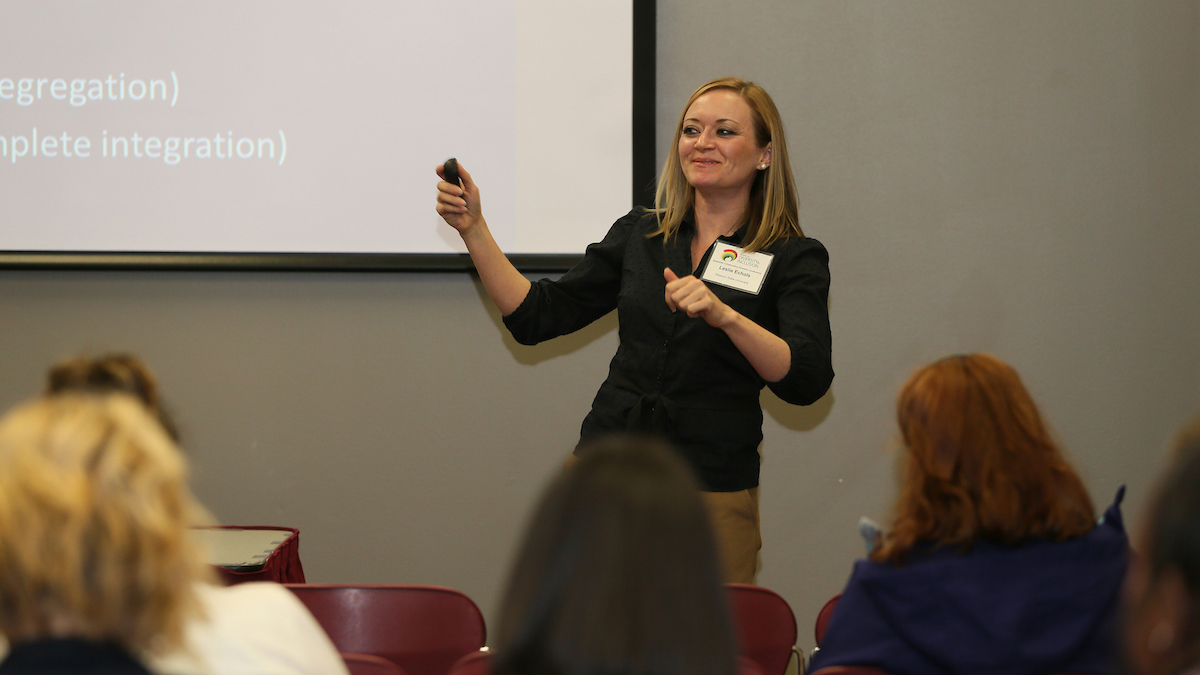
Dr. Leslie Echols, assistant professor of psychology at Missouri State University, has gathered first-hand accounts of aggression for her research.
Victimization is the concept of bullying from the perspective of the victim. To discover what it is that makes a chronic victim, Echols has studied the effects of victimization and the school context as an ecosystem. She believes this has made her a better parent.
“I think it’s a really important message for all parents,” said Echols. “To help their children understand that a lot of the time it isn’t something about them, so don’t take it personally. If you react, you’re more likely to be picked on again.”
Echols’ study focuses on the overall changes in mental health, social and academic success of students who are being picked on, or feel like they are. She has examined middle school settings in Los Angeles to get a more diverse and well-rounded sample.
According to Echols, the majority group in a school setting usually exerts the most power. Also, regions with less diversity tend to report greater victimization.
Social dynamics of friendship
Friendship is a natural attraction, which can help or hinder a student in terms of being victimized. Echols found that two friends who have similar social flaws will cause each other to be more vulnerable over time.
“We find friends like us,” said Echols. “Is it a good thing to be friends with people like us if the things we have in common make us vulnerable?”
Echols found that victims who choose higher “status” friends – those who are more popular than others — usually have a higher social awareness. This helps to reduce the vulnerability for victimization.
The study also shows that gender and race are the two biggest predictors of who will become friends and how the victimization process will evolve over time.
Discover more from News
Subscribe to get the latest posts sent to your email.