
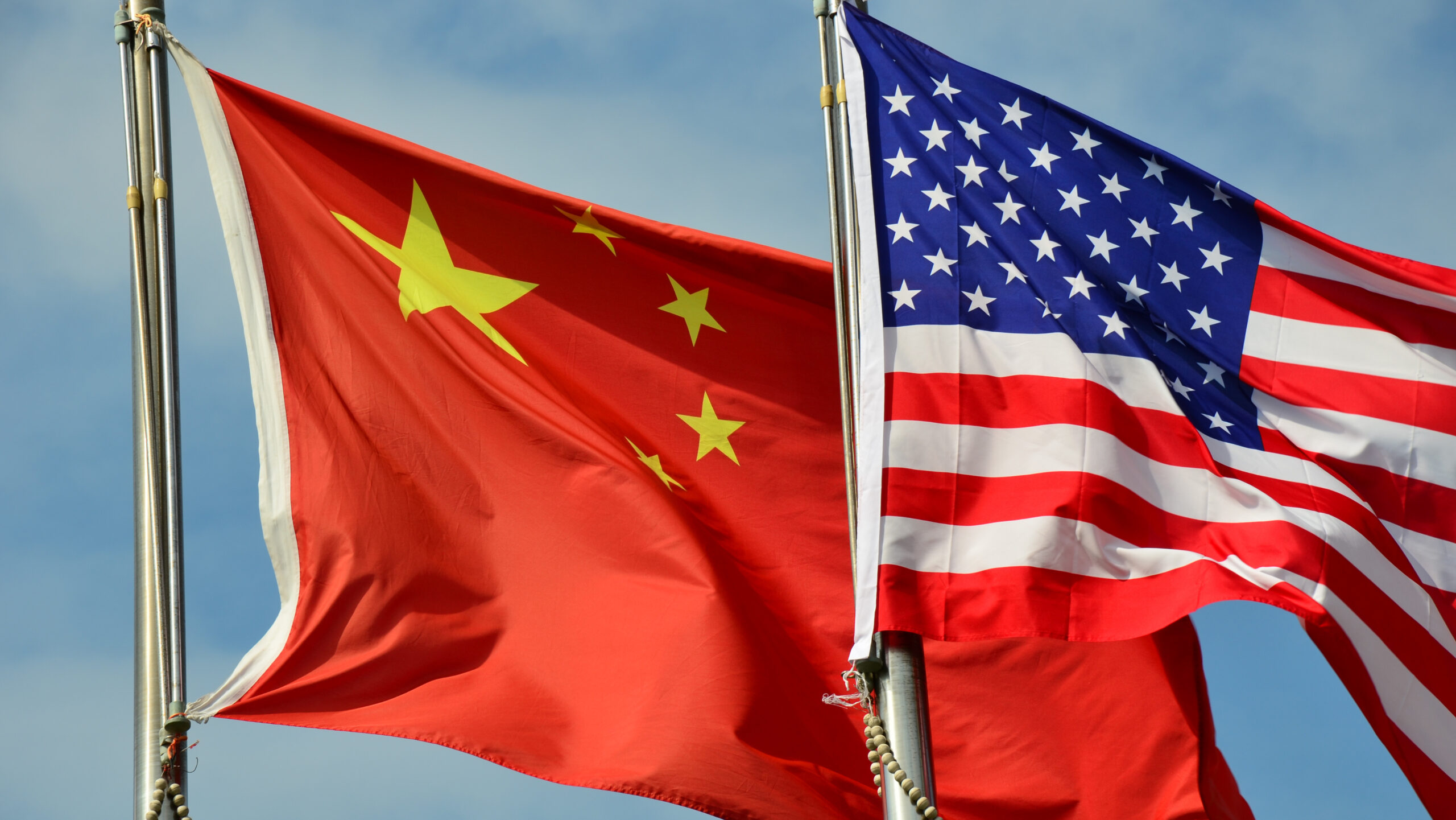
Tensions continue to rise between the U.S. and China, but what does this mean for U.S. citizens?
“The relations between the U.S. and China have the power to change your life,” said Dr. Dennis Hickey, professor emeritus of the political science department at Missouri State University.
“U.S.-China relations are poor, perhaps the worst since both sides issued the Joint Communiqué and established official relations in 1979,” said Dr. Michael Masterson, assistant professor of the political science department at Missouri State.
U.S. and China relations decline
Several factors influence the relationship between the U.S. and China.
The shift in structural power challenges U.S.-China relations.
The U.S. has been the most powerful country for decades. But China is on track to overtake the U.S. in economic power.
“In China, there is a feeling that the U.S. is unwilling to give them a role in the international system commensurate with its current power,” Masterson said. “In the U.S., some fear the Chinese government may alter or overturn aspects of the international system valued by the U.S.”
Differing ideologies also cause tension.
For example, many U.S. officials condemned the human rights abuses in Xinjiang and Hong Kong, so they sanctioned some of the Chinese officials involved.
Some Chinese officials saw the sanctions as hypocritical.
“This leads them to believe the U.S. sanctioned officials to contain China rather than to prioritize human rights,” Masterson said.
The ideological differences and shifts in power create constant challenges in their relationship. But the trade wars during the Trump administration drastically increased tensions.
And tensions continue to rise.
“What began as a trade war during the Trump administration has degenerated into a so-called cold war propelled by different ideologies and a host of contentious disputes,” Hickey said.
“Chinese leaders have been disappointed with the Biden administration,” Masterson said. “The tone of the administration is more moderate. But it does not seem to have altered the approach of the Trump administration to China, including on trade restrictions.”
House Speaker Nancy Pelosi’s visit to Taiwan in August is the most recent event that aggravated tensions between the two countries.
“China believed Pelosi’s visit was yet another example of the U.S. violating its commitments to China over Taiwan,” Masterson said.
In retaliation to Pelosi’s visit, China launched military exercises and suspended its cooperation with the U.S. on several issues, including climate change.
As tensions rise, international peace and stability are at risk.
A threat to the future
The most apparent effect of tense U.S.-China relations on its citizens is through trade.
“China provides products to the U.S. more cheaply than it could produce on its own,” Masterson said. “Without trade relations between the U.S. and China, prices would be much higher and products scarcer.”
But the relations affect citizens on a larger scale than the price and availability of products. Tense relations between the U.S. and China put international peace and stability in danger and have impacted many areas:
- The proliferation of weapons of mass destruction.
- Global environmental degradation, including climate change.
- Threats to global health, including pandemics.
- Dwindling energy supplies.
“In the worst-case scenario, tensions with China could force the U.S. to ramp up military spending,” said Dr. Gabriel Ondetti, Master of International Affairs program director at Missouri State.
“This would cause higher taxes or lower investment in other areas. It could even lead to armed conflict.”
U.S.-China relations have powerful influence over the state of the two countries.
“Cooperation is essential if the global community ever hopes to resolve its pressing problems,” Hickey said.
Educate yourself
Learn more about the relations between the U.S. and China at the upcoming event, “Inevitable Conflict? The Future of U.S.-China Relations.”
The discussion will take place at 6 p.m. Sept. 30 in Karls Hall, Room 101.
About the Master of International Affairs program
Discover more from News
Subscribe to get the latest posts sent to your email.