
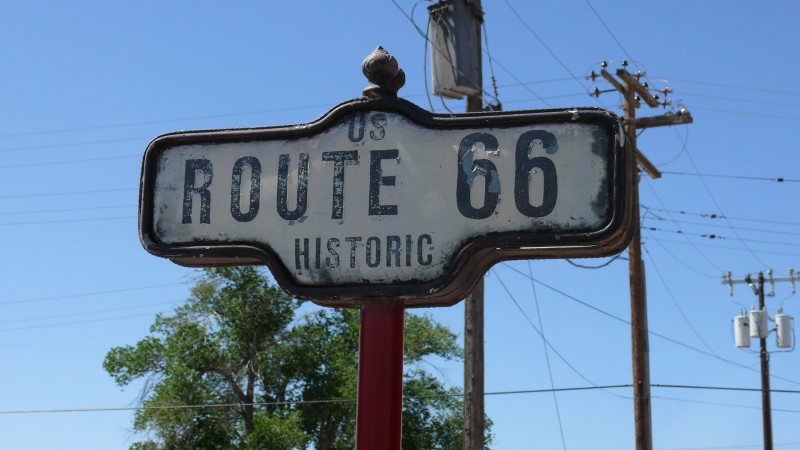
As Route 66 nears its centennial, museums are moving beyond nostalgia to tell a deeper, more complicated story of the “Mother Road.” In this The New York Times article, curators are rethinking what Route 66 represents — highlighting overlooked communities and histories.
In Springfield, Missouri, known as the “Birthplace of Route 66,” a project is in the works to tell a more somber side of the Route 66 story, with an exhibit tentatively titled, “The mOTHER Road: The Stories of African Americans along Historic Route 66.” It is expected to open by June at the Benton Avenue A.M.E. Church.
Dr. Lyle Foster, associate professor of sociology at Missouri State University, who is leading the effort, shares that because of racial segregation, African Americans relied on the Green Book, a travel guide that listed safe places where they could eat, sleep or fill their gas tanks.
“It certainly was a very challenging road to travel,” he said. “It wasn’t always getting your kicks and fix on Route 66 for people who were not white.”
Discover more from News
Subscribe to get the latest posts sent to your email.