The fashion industry is a dynamic and ever-evolving field, and understanding consumer behavior is crucial for both fashion enthusiasts and industry professionals. In recent years, several trends have emerged, reshaping the way people interact with fashion.

Dr. Jenifer Roberts, associate professor in the merchandising and fashion design department at Missouri State University, offers some insights.
Recent trends
Sustainability and ethical practices have become paramount in the fashion industry, Roberts notes. Consumers are increasingly concerned about the environmental and social impact of their clothing choices.
As a result, the industry has focused on adopting eco-friendly materials and ethical manufacturing processes. For example, plant-based leathers are starting to gain traction in the industry. This is when leather is manufactured from plant-based materials and organic waste. Pineapple leather is particularly popular for its chemical-free manufacturing process.
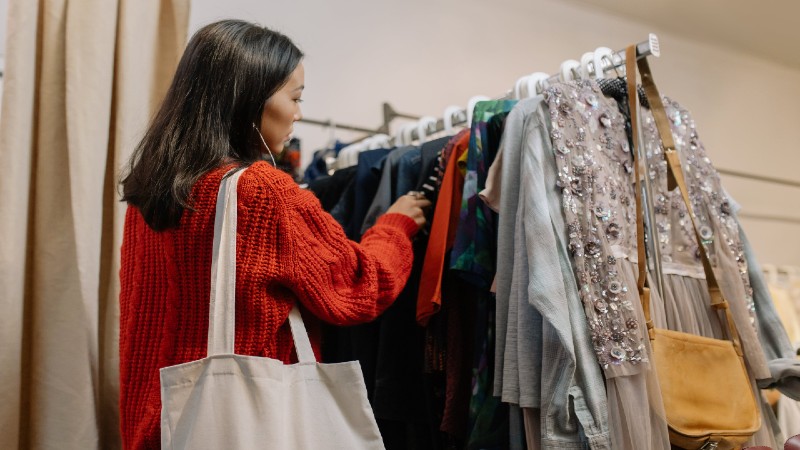
Secondhand stores and thrift shopping have also gained momentum as consumers seek to reduce waste and promote sustainability.
Another trend that many industry professionals closely trace is if consumers prefer high end/luxury fashion or more affordable brands. Roberts believes consumer preferences vary by generation.
“Younger consumers in Generation Z and millennials will often choose affordable products over luxury. They may find these fashions in thrift and secondhand outlets and use social media to give a reason for their purchases,” Roberts said. “Generations, such as X and Baby Boomers typically look for established brands or traditional retailers. They’re motivated more by quality, not just trends.”
Has inflation affected consumers?
Changes in economic factors can sway consumer preferences in either direction. But that too is dependent on demographics.
“For many younger consumers, they want to continue looking trendy, so to make their dollars stretch, they shop at companies like Shein and Fashion Nova to purchase trendy items that cost less,” Roberts said.
“However, those who are older and more established in their careers will look at substance to the garment. For example, if they make a quality investment at a much higher price, can they wear the piece for years to come and use it in their wardrobe in multiple ways?”
Predictions for the future
According to Roberts, the future of the fashion industry lies in digital innovations. AI for example, has become increasingly useful to track consumer preferences and behavior to enhance the shopping experience and also for businesses to avoid unsold inventory.
The concept of on-demand or “made-to-order fashion” is becoming more mainstream. This is where clothing is not manufactured until a consumer makes an order. This model reduces waste, as items are not produced in large quantities and left unsold.
“This type of production means there will not be clothing items produced to hang on racks, in different colors and sizes with the hope that a consumer will come in and buy them,” Roberts said.
Virtual fashion shows and showrooms are also emerging, reducing the need for physical samples and showcasing products in 3D format.
Advice for holiday shoppers
According to Roberts, seasonal changes do influence consumer behavior in the fashion industry.
The constant evolution of fashion trends and seasonal shifts in colors and styles keep consumers motivated to update their wardrobes. Social media further amplifies this desire for the latest fashions, creating a constant demand for new clothing items.
For consumers looking to buy clothing for the upcoming holiday season, Roberts offers this advice.
“Shop wisely, make choices by taking a close look at your existing wardrobe and introducing pieces that can complement your jeans, black pants, skirts and more,” she said. “Accessories, which are often budget-friendly, are also an excellent way to breathe new life into your outfits.”
Learn more about the merchandising and fashion design department
Discover more from News
Subscribe to get the latest posts sent to your email.