
From November to March, bats put out their “Do Not Disturb” sign while they hibernate.
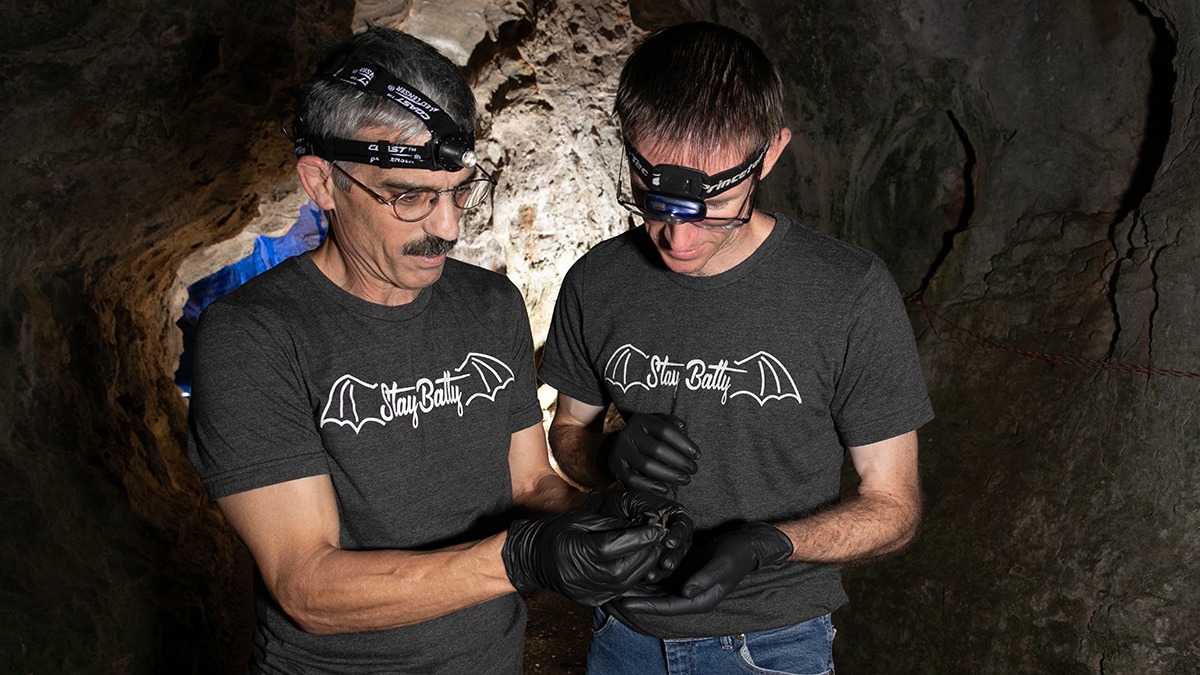
Dr. Tom Tomasi, professor of biology at Missouri State University, studies hibernating animals in torpor, especially bats. He investigates the causes of declining bat populations, which he attributes to two things: white nose syndrome and torpor.
White nose syndrome leads to a fungal infection from which bats can die during or shortly after hibernation.
Torpor is a physiological state, unlike sleeping, where almost everything is shut down.
Dr. Chris Lupfer, assistant professor of biology at MSU, assists him with examining bats’ immune systems. These studies allow them to see how genes factor into the species’ decline.
“We’ve been looking at whether the immune system will explain why some species are 75-95% gone,” Tomasi said. “Other species, their numbers don’t change.”
How the syndrome works
White nose syndrome isn’t directly lethal. Tomasi compares it to when people get a rash. However, the bats die during or shortly after hibernation from this fungal infection. This is because it causes them to use too many calories in the winter.
Some bat species that get white nose syndrome arouse more often than healthy bats. The more they come out of torpor, the more body fat they burn. The bats that arouse more often run out of fuel and die.
Impacting the Ozarks
“We used to have 500-600 bats in a cave I looked at with the Missouri Department of Conservation,” Tomasi said. “When we were there a couple years ago, we found 45.”
Tomasi and Lupfer have traveled to Oklahoma, Utah, Arizona and other states to find and protect bats.
Their research can prevent other areas from being as harmed by white nose syndrome.
Tomasi will participate in an updated bat count at Sequiota Park on Sept. 25.
Discover more from News
Subscribe to get the latest posts sent to your email.